How to Write a Book Report Step by Step
A book report summarizes and analyzes a book. It shows that you understand what you read and can explain the story's structure, the characters' development, and the author's main themes. Unlike a casual conversation about your weekend reading, it calls for an objective account of the whole book. Instructors assign reports in middle school, high school, and introductory college courses to assess how well you use evidence from a story, organize a paper, and explain your findings.
Work on your report begins before you open the book and continues through the final edit. Students often struggle with the writing even when they understand the text. They retell every minor event, leave characters' choices unexplained, drop quotations into paragraphs without context, or switch between past and present tense.
The steps below cover reading notes, an outline, quotations, and common grading mistakes. A complete report on F. Scott Fitzgerald's The Great Gatsby shows how those parts fit together. The same planning process can help you make sense of a long novel or a dense non-fiction book.
How a Book Report Differs From a Book Review
Book reports and book reviews ask you to do different jobs for different readers. It's easy to confuse them, especially when both assignments ask what you think about a book.
A book report is usually an explanatory paper for an instructor or grader. It shows that you read, understood, and analyzed the text. If the assignment asks for the whole story, cover the climax, the resolution, and what happens to the main characters. Hiding the ending can leave the analysis incomplete.
A book review helps prospective readers decide whether to read a book. It assesses whether the book succeeds on its own terms and usually gives enough plot context for the judgment without retelling every turn. Spoiler expectations depend on the publication and audience.
Both formats need evidence from the text. A report uses that evidence to explain the setting, character motivations, story arc, and themes. A review puts more weight on personal and critical judgment, including the prose, the pacing, and how the book compares with others in its genre.
The University of Toronto Writing Support advises writers to examine how an author treats a subject. For a report, explain how the author builds the book's world and conveys its message. A chapter-by-chapter list of events won't do that on its own.
What Every Book Report Must Contain
For a report on a novel, the following six elements make a useful checklist. Follow your assignment sheet when it asks for a different structure or fewer details.
- Bibliographical Information: Record the title, author, and publication details for the edition you read, as your required citation style specifies. You can confirm editions and library holdings through WorldCat.
- Setting and Context: Identify the physical location, historical era, and social environment where the events unfold. Explain how the setting shapes the characters' options and influences the central conflict.
- Character Profiles: Outline the protagonist, the antagonist, and key secondary characters. Describe their primary motivations, their inner and outer conflicts, and how their relationships evolve across the narrative.
- Plot Overview: Provide a concise summary of the narrative arc, including the exposition, inciting incident, rising action, climax, falling action, and resolution. Focus on major turning points rather than describing every minor encounter.
- Themes and Literary Devices: Identify the central messages or questions the author explores, such as justice, ambition, grief, or societal inequality. Point out recurring motifs, symbols, or distinctive narrative choices that reinforce those themes.
- Analytical Reflection and Synthesis: Offer a reasoned assessment of the work's overall impact. Explain what the text demonstrates about its subject and what broader conclusions a reader can draw from the author's arguments or storytelling.
Active Reading and Note-Taking Strategies
Take notes while you read. After hundreds of pages, it's hard to remember every character's name or find a half-remembered quotation. Notes give you somewhere to start when you sit down to write, especially with a deadline approaching.
Annotate as You Read
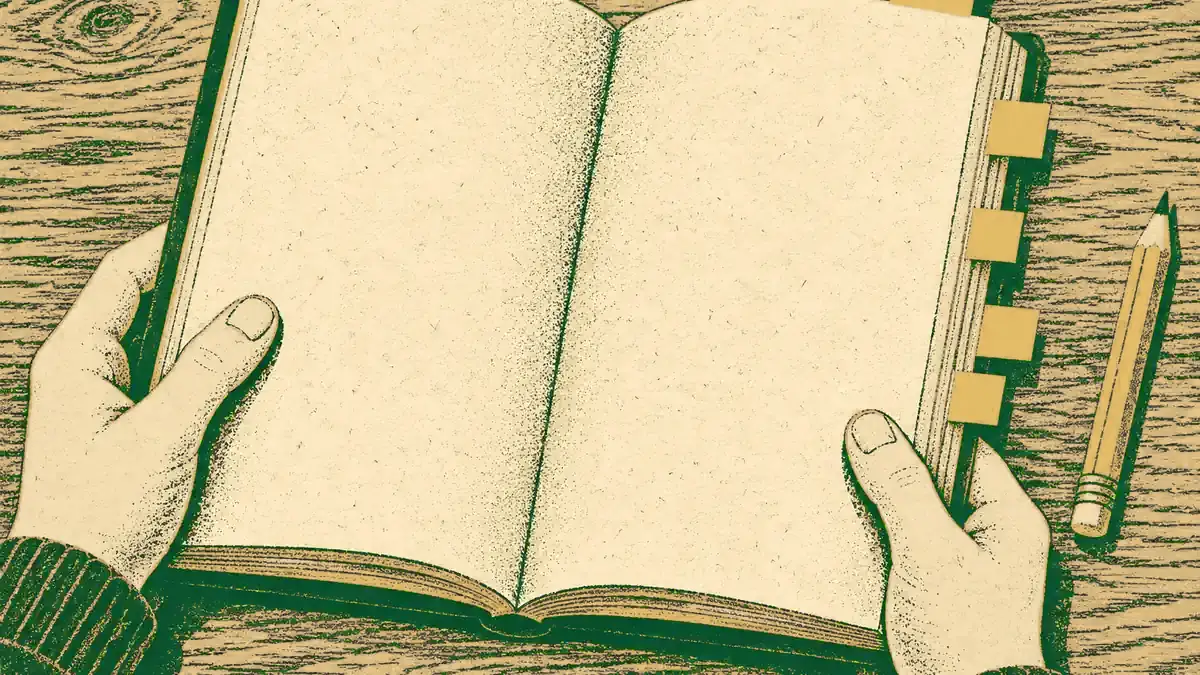
Keep a pen, highlighter, or adhesive tabs nearby as you read. Mark passages that surprise you or seem central to the conflict. If a sentence captures a character's beliefs or suggests a theme, flag the page and add a brief note in the margin or on a sticky note.
Write down page numbers as you go. If you read an edition without stable page numbers, record the chapter or another location marker. You'll need to find the passage again when you cite it.
Track the Narrative Arc by Chapter
After each chapter, write two or three bullet points about the main development. Ask yourself:
- What decision did the protagonist make in this chapter?
- What new obstacle or complication arose?
- How did this event alter the relationships between key characters?
- Did the author introduce a new motif or symbolic object?
At the end of the book, you'll have a chronological set of notes to work from. Use them to pick out turning points and decide which minor subplots need only a brief mention.
A reading notebook gives you a place to record observations regularly. Write down your reactions while the story is still fresh in your mind.
A Step-by-Step Book Report Outline
An outline helps you avoid a string of disconnected plot summaries. The five parts below are a starting point; adjust them to your assignment. Each part can take several paragraphs, depending on the length your instructor sets.

Section 1: Introduction and Thesis
Introduce the book and the main claim you'll make about it:
- The Hook: Begin with an engaging observation about the central question, dilemma, or historical atmosphere of the book.
- Bibliographical Foundation: State the book's full title, author, year of publication, and genre in your opening sentences.
- Contextual Framing: Provide one or two sentences explaining the author's background or the historical circumstances under which the book was written.
- The Thesis Statement: Close the introduction with a clear thesis statement that identifies the author's primary theme and explains how the story or argument delivers that message.
Section 2: Setting, Atmosphere, and Characters
Introduce the setting and characters before you summarize the plot:
- Setting: Describe the geographical location, historical time period, and social climate. Explain whether the setting acts as a background backdrop or actively drives the story's pressures.
- Protagonist: Introduce the main character, their primary goal, and their fundamental strengths or flaws.
- Antagonist and Supporting Figures: Identify the forces or characters that oppose the protagonist and explain how supporting figures influence the central journey.
Section 3: Plot Summary and Structural Arc
Cover the whole story, using its turning points to organize the summary:
- Exposition: The opening situation and the baseline normal world of the characters.
- Inciting Incident: The event that disrupts the status quo and forces the protagonist into action.
- Rising Action: The progressive obstacles, difficult decisions, and escalating complications that build dramatic tension.
- Climax: The highest point of conflict, where the protagonist faces their central crisis and makes an irreversible choice.
- Falling Action and Resolution: The direct consequences of the climax, how loose narrative threads are tied up, and where the characters end up.
Section 4: Themes, Symbols, and Authorial Technique
Explain what the events mean and how the author presents them:
- Central Themes: Analyze one or two primary ideas the book explores. Explain how the characters' outcomes illustrate the author's message.
- Symbolism and Motifs: Identify recurring objects, colors, or phrases that carry deeper figurative meaning.
- Writing Style and Perspective: Mention the narrative point of view (first-person, third-person limited, or third-person omniscient) and describe the tone of the prose.
Section 5: Conclusion and Synthesis
Use the ending of your report to draw together what you've shown:
- Restate the Thesis with Added Insight: Reframe your central argument in light of the evidence presented throughout the body paragraphs.
- Synthesize the Findings: Show how the setting, character choices, and plot developments work together to produce the author's overarching meaning.
- Broader Significance: Comment on what the book offers to its readers and why the work remains relevant or thought-provoking.
Our guide on how to write a conclusion paragraph explains how to write a closing section that gives the reader something beyond a repeated summary.
How to Quote and Cite the Book Accurately
Your report needs evidence from the book. Quote relevant phrases and cite them in the required academic format so your instructor can see what supports your reading. The quotations below come from the Standard Ebooks text of The Great Gatsby, which has no printed page numbers. Use the page numbers in your own edition for a submitted paper.
The Assertion, Evidence, Explanation Method
Give a quotation some context and explain why you've included it. The Indiana University Bloomington Writing Tutorial Services guide to using evidence recommends a three-step pattern:
- State Your Assertion: Begin the paragraph or section with a clear claim about a character, theme, or plot development.
- Introduce Your Evidence: Present the quotation smoothly using a signal phrase that identifies the speaker or narrative context.
- Explain the Connection: Follow the quotation with one or two sentences explaining how the quoted words prove your assertion.
Before and After: Integrating a Dropped Quotation
Here is an example showing how to repair an isolated quotation:
Before:
Nick Carraway recalls his father's advice. "all the people in this world haven't had the advantages that you've had." He tries to reserve his judgments.
The revision connects the author's words directly into the sentence structure, attributing the quotation with a signal phrase and showing how the advice shapes the narrator's perspective without introducing any unrelated claims.
After:
Nick Carraway recalls his father's advice that "all the people in this world haven't had the advantages that you've had," which informs his effort to reserve judgment.
Understanding Citation Styles
Check the assignment prompt for the citation style your teacher or professor requires. Different disciplines use different conventions.
- Modern Language Association (MLA) Style: Literature courses often require MLA style. For a paginated book, put the author's last name and the page number from your edition in parentheses, with no comma between them. If you name the author in your sentence, the page number alone can go in parentheses. The MLA Style Center's citation overview shows examples.
- American Psychological Association (APA) Style: Some courses require APA format. A direct quotation needs the author's name, publication year, and page number or another location marker. Check the publication year of the edition you cite.
- Chicago Style: History and some advanced humanities courses use Chicago style, which relies on footnotes or endnotes paired with a bibliography, as detailed in The Chicago Manual of Style Quick Guide.
Rules for Quoting Text Accurately
When citing direct words from a book, follow three strict rules:
- Copy the Text Exactly: Maintain the original spelling, capitalization, and punctuation of the source text.
- Use Brackets for Grammatical Adjustments: If you must change a pronoun or verb tense so a quotation fits your sentence, enclose the changed word in square brackets. Make sure the change does not alter the meaning.
- Use Ellipses for Omissions: If you omit words from the middle of a quotation, mark the gap with an ellipsis. In the opening chapter, the narrator says Gatsby "stretched out his arms toward the dark water ... and distinguished nothing except a single green light." Check punctuation against the edition you quote.
- Set Off Block Quotations: In MLA style, if a direct quotation extends beyond four typed lines of prose, indent the entire quote one-half inch from the left margin, omit the surrounding quotation marks, and place the parenthetical citation after the final punctuation mark.
Common Mistakes Teachers Mark Down
Teachers and professors read dozens of reports every semester and see the same errors repeatedly. Avoiding these mistakes can improve your grade.
1. Excessive Plot Summary (The Retelling Trap)
One common mistake is spending most of the report retelling the story. Your grader needs to see what you make of the book, not just a sequence of events.
Give the plot enough space for a reader to follow the argument, then spend substantial space on character analysis, themes, and the author's choices. When you summarize an event, explain how it affects a character or develops a theme.
Before and After: Trimming Plot Trivia to Focus on Action
Here is an example showing how to condense unnecessary decorative summary:
Before:
Nick Carraway attends Jay Gatsby's Saturday party, where hundreds of guests drink champagne, swim in the marble pool, eat buffet dinners of cold turkey and ham, listen to a full brass orchestra, admire the library with real uncut books, and spread gossip about Gatsby's past. Nick meets Jordan Baker and eventually speaks with Gatsby in the garden about war experiences in France.
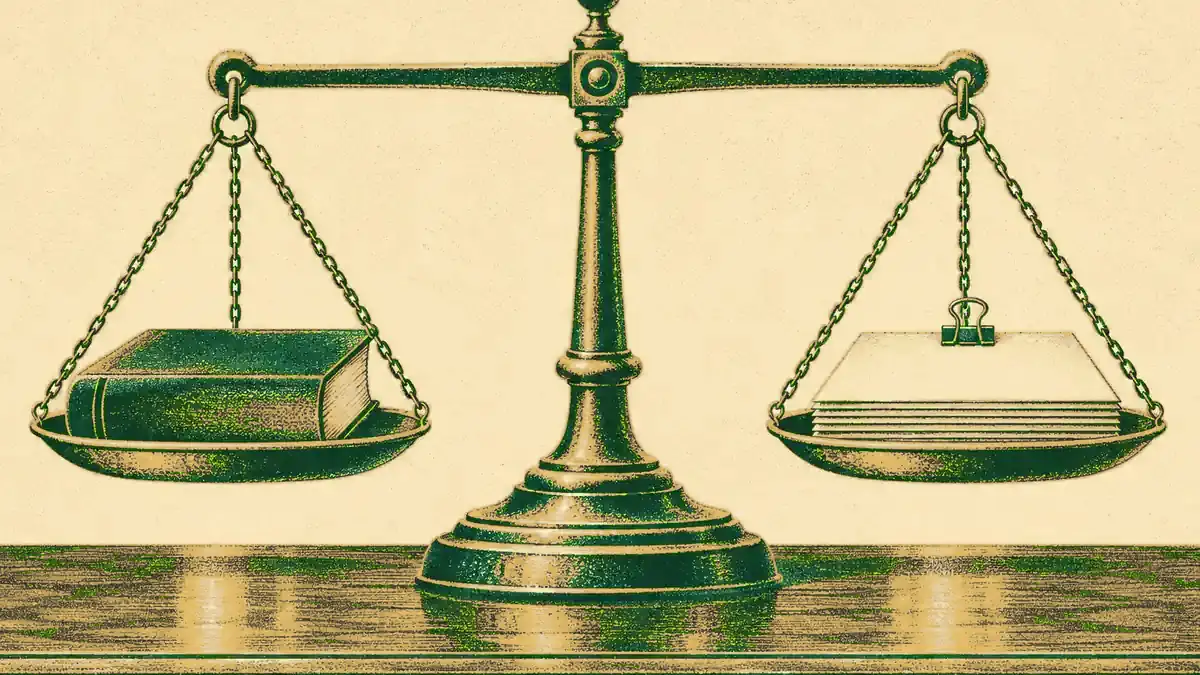
The revision cuts the catalogue of party refreshments and minor amenities: the champagne, the swimming pool, the turkey and ham, the orchestra, and the uncut books. Cutting these decorative details keeps the summary focused on Nick's first personal meeting with Gatsby and Jordan Baker.
After:
Nick Carraway attends Jay Gatsby's Saturday party, where guests spread gossip about Gatsby's past. Nick meets Jordan Baker and speaks with Gatsby in the garden about war experiences in France.
2. Shifting Verb Tenses
Use the literary present tense when discussing a book's events, characters' actions, and themes. Academic convention treats the story as happening each time someone reads it, so describe those events in the present.
Keep the past tense for historical facts about the author's life or the book's publication. Write "Fitzgerald published the novel in 1925" for the historical fact and "Gatsby stares at the green light" for the action in the story.
Before and After: Correcting Tense Consistency
Here is an example showing how to maintain tense consistency:
Before:
In the opening chapter, Nick moved into West Egg and rents a small house next to Gatsby's mansion. Every Saturday night, Gatsby hosted extravagant parties while guests danced on the lawn.
The revision changes the past tense verbs "moved," "hosted," and "danced" to the present tense verbs "moves," "hosts," and "dance" to maintain the literary present tense without altering any names, locations, or story details.
After:
In the opening chapter, Nick moves into West Egg and rents a small house next to Gatsby's mansion. Every Saturday night, Gatsby hosts extravagant parties while guests dance on the lawn.
3. Concealing the Resolution
A report can slip into the language of a movie jacket blurb: "To find out whether he survives, you will have to read the book." That leaves your grader without an ending to assess.
Explain the resolution and the consequences of the characters' actions. The ending often makes the author's main theme clear, and your instructor needs to see that you understood it.
4. Relying on Vague, Unsupported Opinions
"I thought this book was very interesting" and "The characters were boring" give a grader little to work with. If a character didn't convince you, explain why. Did their actions contradict their established motivations? Did the dialogue sound unnatural? Support your judgment with evidence from the story.
5. Neglecting Bibliographical Formatting
Missing publication details or page numbers suggest careless research. Include an accurate bibliographic header or Works Cited entry for the edition you read, and add page numbers to your parenthetical references.
Complete Worked Example: A Book Report on The Great Gatsby
The report below covers F. Scott Fitzgerald's 1925 novel, The Great Gatsby. It combines a plot summary with discussion of the characters and themes. If you submit a report like this, add the in-text citations and full entry required for the specific edition you read.
Bibliographic Header
- Title: The Great Gatsby
- Author: F. Scott Fitzgerald
- Original Publisher: Charles Scribner's Sons, New York
- Publication Date: 1925
- Genre: Modernist Fiction / Tragedy
Introduction
Published in 1925 by Charles Scribner's Sons, F. Scott Fitzgerald's The Great Gatsby examines wealth and social status in the American Jazz Age. The economic boom after the First World War brings prosperity, but the novel also portrays social restlessness and moral confusion. Jay Gatsby, a mysterious self-made millionaire, wants to recover a lost love. Narrator Nick Carraway watches that attempt unfold. Through Gatsby's story, Fitzgerald criticizes the American Dream: wealth and devotion to an idealized past cannot overcome class barriers or make up for a lack of moral purpose.
Setting and Characters
The novel takes place in the hot summer of 1922, on Long Island and in Manhattan, New York. East Egg is home to aristocrats with inherited fortunes. West Egg houses the newly wealthy, whose conspicuous spending doesn't win them social acceptance. Between these wealthy suburbs and busy Manhattan lies the Valley of Ashes, an industrial wasteland watched over by the faded billboard eyes of Doctor T. J. Eckleburg. The valley represents the spiritual decay and human cost of unchecked economic expansion.
Four main characters drive the tragedy through their conflicting values:
- Nick Carraway: The narrator moves from the Midwest to work in the bond business. He tries to be tolerant and observant. His judgments guide the story as the wealthy people's carelessness gradually disillusions him.
- Jay Gatsby: Born James Gatz to poor North Dakota farmers, he reinvents himself and makes a fortune through illegal bootlegging. He holds lavish weekly parties to attract Daisy Buchanan's attention.
- Daisy Buchanan: Nick's beautiful, charming cousin is the woman Gatsby loves. Her voice suggests money, and her attachment to it runs deep: she is shallow, cowardly, and unwilling to give up her financial security or social position.
- Tom Buchanan: Daisy's husband is an arrogant, physically imposing former Yale athlete. His inherited wealth protects him from consequences. His behavior shows the entitlement and casual cruelty of the established upper class.
Plot Summary
Nick rents a small cottage in West Egg next to Gatsby's huge faux-Norman mansion. He visits East Egg for dinner with his cousin Daisy, her aggressive husband Tom, and professional golfer Jordan Baker. There he learns that Tom is openly having an affair with Myrtle Wilson, whose husband owns a struggling garage in the Valley of Ashes. Back home that evening, Nick sees Gatsby alone on his dark lawn. Gatsby trembles as he reaches toward the green light at the end of Daisy's private dock across the bay.
Gatsby invites Nick to one of his extravagant weekend parties. As they get to know each other, Nick learns about Gatsby's romance with Daisy in Louisville before Gatsby left for military service. Daisy later married Tom Buchanan. Gatsby has bought his mansion to be near her. He asks Nick to arrange an afternoon tea so they can meet again.
Gatsby and Daisy resume their romance after meeting at Nick's cottage, and they begin a secret affair. Gatsby wants Daisy to leave Tom and say she never loved him. He believes they can erase the past five years. On a stifling afternoon at the Plaza Hotel in New York City, Tom confronts Gatsby about his criminal business and his pursuit of Daisy. Daisy cannot say she never loved Tom. Confident that his marriage is secure, Tom orders her to ride home with Gatsby in Gatsby's yellow car.
On the drive home through the Valley of Ashes, an agitated Daisy is at the wheel of Gatsby's car. Myrtle Wilson runs into the road, thinking Tom is driving, and Daisy strikes and instantly kills her. Daisy drives on without stopping. Gatsby decides to take the blame to protect her. He keeps watch alone outside her house while she and Tom quietly reconcile over cold fried chicken.
The next day, Tom tells Myrtle's grieving husband, George Wilson, that Gatsby owned the car. Wilson goes to Gatsby's estate, shoots him dead in his swimming pool, then kills himself. Daisy and Tom leave town without a forwarding address and send no flowers. Nick, Gatsby's father Henry Gatz, and a former party guest attend the funeral. Disgusted by the Eastern elite's indifference and destructive carelessness, Nick leaves New York for the Midwest.
Thematic and Literary Analysis
The Great Gatsby explores the corruption of the American Dream and the disillusionment that follows. That dream originally promised happiness and fulfillment through perseverance, discipline, and talent, regardless of a person's origins. Gatsby appears to fulfill it by moving from poverty in North Dakota to a life of luxury. Yet his money comes from corruption and organized crime, and it cannot buy acceptance among people with inherited wealth. Tom and Daisy use their fortune to escape the damage they cause, leaving others to deal with it.
Several recurring images develop this theme:
- The Green Light: The light at the end of Daisy's dock represents Gatsby's hopes and his impossible wish to recover the past. Once he holds Daisy in his arms, Nick notices that the light loses its enormous significance. The reunion cannot live up to what Gatsby has imagined.
- The Valley of Ashes and Doctor T. J. Eckleburg: The dusty wasteland between West Egg and the city shows the social damage caused by industrial capitalism. Above it, the billboard's vacant eyes behind spectacles resemble an absent deity watching a world without moral guidance.
- Gatsby's Library of Uncut Books: In chapter three, a surprised guest discovers that Gatsby's library holds real books with pages that have never been cut. They represent the carefully constructed, artificial identity Gatsby presents to others.
Fitzgerald uses lyrical phrasing and precise sensory images. Nick's observations and moral judgments give weight to the tragedy. He begins by recalling his father's advice to reserve judgment about others. That advice helps him recognize Gatsby's capacity for hope without overlooking the corruption around him.
Conclusion and Synthesis
The Great Gatsby remains a major work of American literature because it examines a familiar desire: to recover an idealized past. Gatsby thinks willpower and money can turn back time. He cannot accept Daisy as an imperfect person because he needs her to match his ideal. Fitzgerald's closing sentence extends that struggle beyond Gatsby: "So we beat on, boats against the current, borne back ceaselessly into the past." The novel's evocative prose, tight structure, and criticism of social class support its conclusion that money cannot buy purpose and that illusions cannot survive contact with human nature.
Frequently Asked Questions About Writing Book Reports
How Long Should a School or College Book Report Be?
There is no universal length. A short school assignment may focus on comprehension and the main characters, while a university assignment may call for closer analysis and formal citations. Follow the length and scope in your instructor's prompt. If the prompt gives a page limit, check whether the title page and references count toward it.
Can I Use First-Person Pronouns Like "I" in a Book Report?
Academic writing generally uses an objective, third-person perspective. Phrases such as "I think," "in my opinion," and "I felt that" make an analytical claim sound tentative. State the observation directly: "Fitzgerald uses the Valley of Ashes to symbolize moral decay" is firmer than "I believe that Fitzgerald uses the Valley of Ashes to symbolize moral decay." Use first person if your instructor asks for a personal reflection on your reading experience.
How Do I Write a Book Report on a Non-Fiction Book?
For a non-fiction report, use equivalents for the story elements in the outline:
- Replace plot summary with an outline of the author's primary thesis and central arguments.
- Replace character profiles with an examination of the historical figures, case studies, or demographic groups discussed in the text.
- Replace literary devices with an evaluation of the author's research methods, types of evidence (such as archival documents, statistics, or interviews), and logical reasoning.
- Evaluate whether the author provides sufficient credible documentation to substantiate their claims.
What Should I Do If I Strongly Disliked the Book?
You can write a strong report about a book you disliked. A critical reading can produce a more thoughtful paper than unqualified praise, provided you explain the reasons for your reaction. If the characters felt flat, examine their motivations. If the plot frustrated you, look at whether improbable coincidences resolved its main conflicts. If the pacing dragged, consider whether repetitive exposition slowed the prose. Use quotations and specific scenes to make the case. That gives your negative judgment the evidence an academic argument needs.